

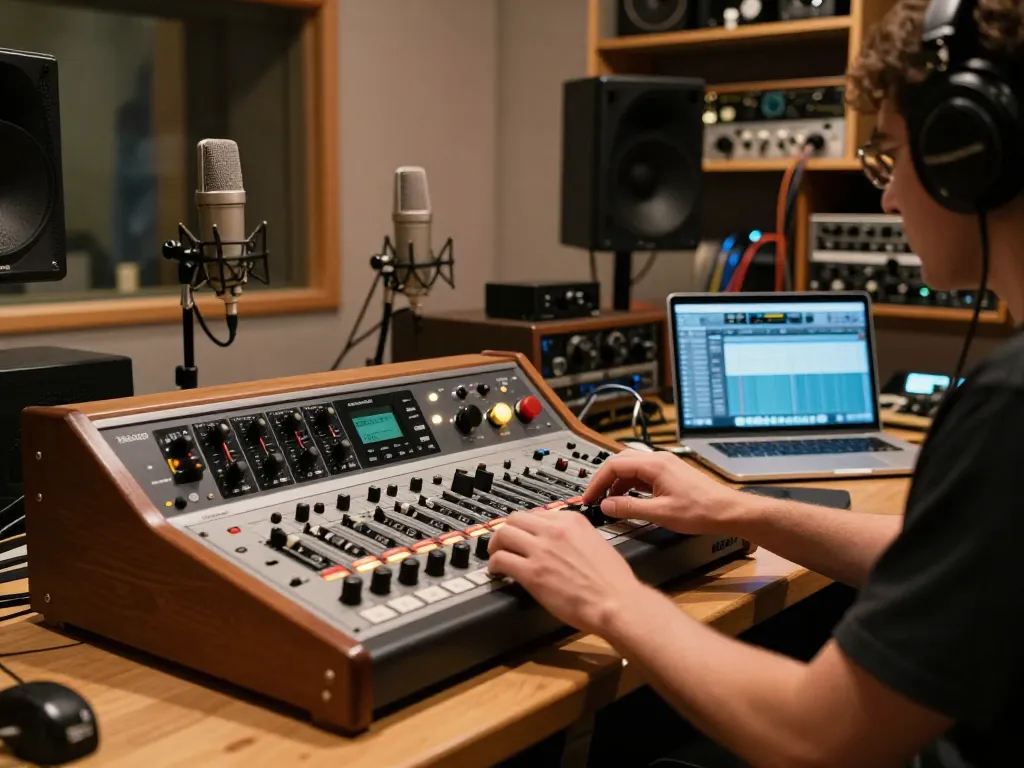
Understanding the Tascam DA-88 and Its Legacy
The Tascam DA-88 is a pivotal piece of audio recording equipment that has made a significant impact in the field of music production. Since its introduction in 1993, the DA-88 has changed the landscape of digital recording, offering musicians and audio engineers a reliable, high-quality solution for capturing sound. Renowned for its affordability and ease of use, this eight-track digital multitrack recorder harnesses the Hi8 tape format to record professional-grade audio. As we delve into its features and historical significance, we’ll explore why the DA-88 continues to be a valuable asset in many studios today. For those interested in understanding more about this equipment, da 88 provides comprehensive insights and resources.
What is the DA-88?
The DA-88 is an 8-track digital multitrack recorder that captured sound at 16 bits and used Hi8 tapes both for recording and playback. This device allowed users to create high-fidelity recordings without the need for expensive studio setups, making it particularly popular among home studio enthusiasts and professionals alike. With its modular design, users could integrate the DA-88 into various setups, thus enhancing its versatility and appeal. The DA-88 was among the first affordable digital recorders available to home studios, quickly becoming a household name in the industry.
Key Features and Capabilities of da 88
The Tascam DA-88 comes equipped with numerous features that make it a standout choice for recording:
- 8-Track Recording: Capable of recording up to eight tracks simultaneously, allowing for complex arrangements and rich audio layering.
- Hi-8 Tape Format: Utilizes the Hi8 format, previously known for its video applications, to deliver enhanced sound quality and reliability.
- Modular Design: Supports multi-unit configurations, enabling users to expand their recording capabilities as needed.
- Transport Controls: Features intuitive controls that mimic analog devices, providing a familiar feel for users transitioning from tape to digital.
- Sync Capabilities: Can sync with other digital audio devices, making it suitable for complex studio setups.
Each of these features contributes to the DA-88’s reputation as a trustworthy tool for both budding and seasoned audio professionals, proving its worth across decades of technological advancements.
A Brief History of the DA-88 in Music Production
Introduced during a time when the music industry was transitioning from analog to digital formats, the DA-88 quickly became a favorite among recording artists and engineers. Its launch coincided with a growing demand for affordable, high-quality recording equipment. The DA-88 not only fulfilled this demand but also brought a level of portability that was previously unheard of in professional recording. The device was instrumental in shaping the sound of the 1990s and early 2000s, being used in various studios and haunts where musicians would gather to create and experiment.
Additionally, the DA-88 received significant recognition within the audio industry, winning the Emmy Award for technical excellence in 1995. This accolade solidified its status as a game-changing tool in the audio recording landscape.
Setup and Configuration for Optimal Performance
Essential Equipment for Using da 88 Effectively
To get the most out of the Tascam DA-88, certain equipment is essential. Here’s a list of items you may need to ensure a smooth recording experience:
- Hi8 Tapes: Ensure you have a supply of Hi8 tapes, as these are necessary for recording and playback.
- Microphones: Quality microphones appropriate for your recording environment will greatly enhance sound capture.
- Cables: Invest in high-quality XLR and TRS cables to connect your microphones and other audio sources.
- Mixing Console: A good mixing console can help you balance audio levels before sending them to the DA-88.
- DAW Integration: While the DA-88 is a standalone unit, integrating it with a digital audio workstation (DAW) can expand your editing and mixing capabilities.
Step-by-Step Guide to Configuring the DA-88
Setting up your DA-88 for optimal performance involves a few key steps:
- Connect Cables: Start by connecting your microphones and line inputs to the DA-88 using appropriate cables.
- Insert Hi8 Tape: Load a Hi8 tape into the recorder, ensuring it is properly inserted for accurate playback and recording.
- Adjust Settings: On the DA-88, adjust the input levels for each track, ensuring that they are set within optimal range to prevent clipping.
- Test Audio Levels: Conduct a sound check for all connected inputs to ensure adequate levels before beginning the recording process.
- Start Recording: When everything is set, initiate the recording session by pressing the appropriate transport controls.
Troubleshooting Common Setup Problems
Even with careful setup, issues can arise. Here are some common problems and solutions:
- Tape Not Recognized: Ensure that the Hi8 tape is compatible and properly inserted. If issues persist, try a different tape.
- Input Levels Too High or Low: Adjust the input gain on the DA-88. High levels may cause distortion, while low levels may lead to noise in playback.
- Sync Issues: If syncing with other devices, verify that all devices are set to the same sample rate and that the interconnections are solid.
Recording Techniques with the DA-88
Best Practices for Capturing High-Quality Audio
For those looking to create high-quality recordings using the DA-88, several best practices should be observed:
- Create a Quiet Environment: Minimize background noise by choosing a quiet location for recording, and consider using soundproofing materials if necessary.
- Use Quality Microphones: Invest in microphones that suit your specific recording needs, whether they be dynamic, condenser, or ribbon microphones.
- Monitor Levels Continuously: Always monitor audio levels throughout your recording session to avoid peaks and ensure consistent quality.
Microphone Placement for Various Instruments
The placement of microphones can significantly affect the sound quality of your recordings. Here are tips for different instruments:
- Vocals: Place the microphone about 6-12 inches away from the vocalist’s mouth, using a pop filter to reduce plosive sounds.
- Guitar Amplifiers: Position the microphone close to the speaker cone for a brighter sound or farther back for a fuller tone.
- Drums: Use overhead mics placed above the drum kit and close mics on snare and kick drums to capture the full dynamic range.
Layering Sounds: Creating a Full Mix with da 88
Layering sounds properly can dramatically enhance the richness of your recordings. Here’s how to approach this:
- Record Multiple Takes: Capture several takes of the same instrument or vocal part, which you can then blend together for a fuller sound.
- Utilize Panning: Experiment with panning instruments left and right to create space within the mix.
- Add Effects Sparingly: Incorporate reverb and delay effects carefully to enhance the mix without overwhelming the original sound.
Edit and Mix Like a Pro Using DA-88
Editing Techniques Specific to da 88
Editing on the DA-88 requires both a keen ear and an understanding of its functionalities. Some techniques include:
- Comping Tracks: Choose the best parts of multiple takes and edit them together to create a seamless final recording.
- Fade Ins and Outs: Utilize fade options to create smooth transitions at the beginning and end of your tracks.
- Trimming Unwanted Noise: Identify and remove any unwanted sounds that might detract from the overall quality of your recordings.
Mixing Strategies for Enhanced Audio Quality
A successful mix is crucial to achieving a professional sound. Here are some strategies to consider:
- Use Compression: Apply compression to manage dynamic range and ensure a balanced sound throughout the mix.
- EQ Adjustments: Utilize equalization to emphasize or diminish certain frequencies, enhancing the clarity of individual elements.
- Mix at Reasonable Volumes: Monitor your mix at various volume levels to ensure consistency across playback systems.
Integrating DA-88 with Modern Software
The DA-88, while a standalone unit, can still be integrated with modern digital audio workstations (DAWs) for enhanced editing and mixing capabilities. To do this, you may follow these steps:
- Use Interfaces: Connect the DA-88 to your computer via an audio interface, allowing for audio transfers between devices.
- Export Tracks: Export individual tracks from the DA-88 to your DAW for advanced editing capabilities.
- Utilize MIDI Synchronization: If your DAW supports it, synchronize MIDI for coordinating recordings across the DA-88 and software.
Future Trends in Audio Recording and Production (2026 and Beyond)
Innovations in Digital Recording Technology
The audio recording industry is undergoing rapid change. As we look toward 2026 and beyond, several innovations are emerging. These include:
- Higher Sample Rates: Advancements are leading to higher sampling rates, meaning better fidelity and cleaner sound.
- Artificial Intelligence: AI is being utilized for smart mixing, automating tasks such as EQ adjustments and effects applications.
- Increased Cloud Integration: Cloud-based storage and software will allow for easier collaboration and sharing among artists and producers.
The Evolution of Multitrack Recorders
The evolution of multitrack recorders continues to shape how we create music. The DA-88 stands as a testament to this evolution, paving the way for modern digital recording technology:
- From Analog to Digital: The transition from analog to digital has influenced everything from sound quality to ease of use.
- Integration with Software: Modern multitrackers are increasingly designed to integrate seamlessly with DAWs for more streamlined workflows.
- Portability: The trend toward portable recording devices is opening up new possibilities for musicians and engineers on the go.
What to Expect from DA-88 in Future Music Production
Looking forward, the DA-88 remains relevant, particularly among those who appreciate its vintage aesthetic and sound quality. The nostalgia associated with this device can lead to renewed interest, especially with a resurgence of analog techniques within music production. Expect to see:
- Hybrid Approaches: Musicians may adopt hybrid workflows that incorporate both analog and digital methods, utilizing the unique characteristics of each.
- Retro Revival: The DA-88 could see a revival among new generations of artists seeking authentic sounds in their recordings, leveraging its capabilities in modern contexts.
- Community Engagement: Online forums and communities will continue to flourish, sharing tips and techniques for utilizing the DA-88 effectively in contemporary music production.
In conclusion, the Tascam DA-88 is not just a relic of the past but a valuable tool that continues to inspire creativity in audio recording. As technology evolves, so too does the potential for this dependable multitrack recorder to adapt and thrive in the future music landscape.
