

Understanding Sports Broadcasting
Definition and Role of Sports Broadcasting
Sports broadcasting is a vital aspect of the sports industry that involves the transmission of live sports events, highlights, and related content through various media channels such as television, radio, and online platforms. The primary role of sports broadcasting is to provide audiences with real-time access to games, fostering a sense of community and excitement around sporting events. Whether it’s a thrilling last-minute goal or a record-breaking performance, the objective is to engage viewers, provide commentary, and enhance the overall experience for fans. The significance of Sports Broadcasting goes beyond mere entertainment; it plays a crucial role in the promotion of sports, athletes, and events, driving fan engagement and loyalty.
History of Sports Broadcasting Evolution
The evolution of sports broadcasting has been a fascinating journey that mirrors technological advancements and changing consumer preferences. It began in the early 20th century when radio became prominent, allowing fans to listen to live commentary of games from the comfort of their homes. This shift brought a new dimension to how sports were consumed, breaking geographical barriers.
Television broadcasting commenced in the 1930s, revolutionizing the industry further by providing visual access to games. Iconic moments became immortalized through televised coverage, drawing larger audiences and increasing the popularity of sports. As technology advanced, color broadcasting enhanced viewer engagement in the 1960s, followed by the introduction of cable TV in the 1980s, which provided viewers with more dedicated sports channels.
The arrival of the internet and streaming services in the late ’90s marked the beginning of a new era, further changing how audiences interact with sports content. Today, sports broadcasting has evolved to encompass mobile streaming and on-demand content, catering to the demands of an increasingly tech-savvy audience.
Current Trends in Sports Broadcasting
As the landscape of sports broadcasting continues to evolve, several current trends are shaping the industry. One major trend is the rise of streaming services, allowing viewers to watch games live or on-demand on various devices. This shift has increased access for global audiences, breaking the traditional geographic constraints posed by cable broadcasting.
Another notable trend is the integration of user-generated content. Fans now participate actively in sports coverage through social media, giving rise to a more interactive viewing experience. Furthermore, broadcasters are experimenting with augmented reality (AR) and virtual reality (VR) technologies to enhance the viewer experience, providing immersive environments that make fans feel as if they are part of the action.
Additionally, data analytics has become an integral component of sports broadcasting, offering insights that enrich commentary and enhance fan engagement. From detailed player statistics to in-depth game analysis, broadcasters now have access to a wealth of information that can transform the viewing experience.
Key Components of Sports Broadcasting
Technology in Sports Broadcasting
Technology is at the core of sports broadcasting. The evolution of broadcasting technology has enabled smoother transmission, better video and audio quality, and enhanced viewer engagement. Essential technological components include high-definition (HD) and ultra-high-definition (UHD) broadcasting, which deliver crystal-clear images to homes.
Furthermore, advanced camera systems equipped with features like slow motion, replay, and different angles provide viewers with a comprehensive view of the action. In addition, cloud-based solutions have streamlined content management, allowing broadcasters to store and retrieve vast amounts of footage efficiently.
Live streaming and mobile apps also play crucial roles, enabling audiences to access content on-the-go. This accessibility supports the trend of personalized viewing experiences, as viewers can select which games to watch and when.
Studio Setup and Equipment
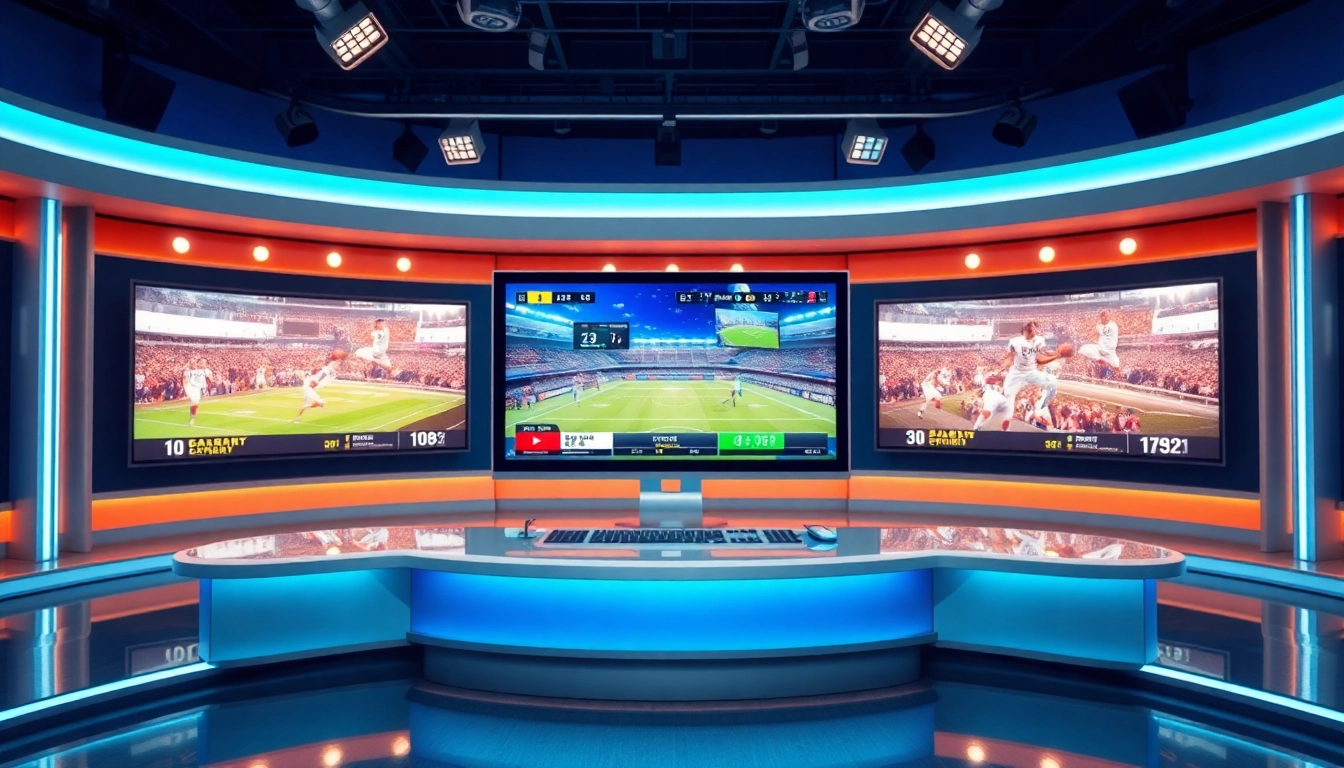
A well-equipped broadcasting studio is critical for producing high-quality sports content. Equipment includes professional cameras, microphones, lighting systems, and video mixers. Each element serves a specific purpose in ensuring that broadcasts are polished and engaging.
The studio environment should facilitate quick transitions between segments, allowing broadcasters to respond to in-game events live. High-tech production equipment such as video servers, graphics systems, and teleprompters are essential in delivering timely information and commentary to viewers.
Moreover, a well-designed studio enhances the overall visual appeal of broadcasts, incorporating graphics, branding, and informative panes that can enrich viewer experience. The physical setup itself should embody functionality and aesthetics to keep the audience engaged throughout the broadcast.
Production Techniques and Best Practices
Sports broadcasting production requires meticulous planning, coordination, and execution. Key production techniques encompass pre-production planning, live coverage protocols, and post-production editing. Effective communication among team members helps streamline the broadcasting process.
Pre-production involves thorough preparation, including scriptwriting, scheduling, and equipment checks. During live coverage, maintaining a flexible approach is crucial, as unexpected events may require quick adjustments. Established protocols help ensure that all team members are in sync during a live broadcast.
Post-production focuses on editing, graphics integration, and distributing highlights and features across different platforms. Best practices include metadata tagging for easy searchability and using engaging thumbnails to attract viewers. Consistent quality checks during all stages of production help maintain high broadcasting standards.
Challenges in Sports Broadcasting
Regulatory and Licensing Issues
One of the primary challenges facing sports broadcasters is navigating the complex landscape of regulatory and licensing issues. Broadcasting rights are often exclusive, with leagues and teams negotiating lucrative contracts with networks. These negotiations can lead to competitive landscapes where smaller broadcasters struggle to obtain rights for major events.
Furthermore, different countries have varying regulations regarding broadcasting, which can complicate international coverage. Understanding local laws and compliance requirements is crucial for broadcasters to avoid potential disputes and ensure lawful operations.
Broadcasters must also adapt to changing regulations surrounding online streaming and digital content distribution, ensuring they comply with copyright and intellectual property laws.
Maintaining Audience Engagement
With the increasing number of available channels and streaming services, maintaining audience engagement has become a significant challenge in sports broadcasting. Viewers now have myriad options leading to equally competitive content. To stand out, broadcasters must continuously innovate and offer unique viewing experiences.
Engagement strategies may include interactive elements such as live polls, fan chats, and augmented reality features that allow audiences to engage with the broadcast like never before. Tailoring content to meet audience preferences through targeted programming, such as behind-the-scenes access and player interviews, can also strengthen viewer loyalty.
Broadcasts should not only focus on gameplay but also create narratives around athletes and teams, fostering emotional connections with the audience.
Technological Adaptations
The rapid advancement of technology presents both opportunities and challenges for sports broadcasters. While new technologies can enhance viewer experiences, they require ongoing investments and training. Keeping pace with the latest innovations—from HD broadcasting to VR experiences—demands resources and adaptability.
As the audience increasingly expects interactive, personalized content, broadcasters must innovate their offerings. For example, live betting offers thrilling engagement, but it requires technological infrastructure and partnerships to implement. Adapting to new platforms and devices—such as smart TVs, mobile apps, and social media—is essential for reaching modern viewers effectively.
Innovations Impacting Sports Broadcasting
Streaming Services and Viewership Models
The emergence of streaming services has transformed the way sports are consumed. Viewers can now access live broadcasts on-demand, breaking free from traditional broadcasting schedules. This shift has given rise to various viewership models, including subscription-based and ad-supported options.
Streaming offers flexibility, allowing fans to watch games on diverse devices, including smartphones, tablets, and smart TVs. The ability to customize viewing experiences—whether by selecting camera angles or accessing in-game statistics—has created a more immersive environment that traditional broadcasting struggled to achieve.
Furthermore, streaming platforms have built-in analytics capabilities, providing broadcasters with data on viewer preferences and behaviors, allowing them to create relevant content that meets audience needs.
Augmented Reality in Sports Broadcasting
Augmented reality (AR) has emerged as a groundbreaking technological innovation in sports broadcasting. It enhances the viewer experience by overlaying digital graphics onto live-action, engaging fans in new ways. AR provides data-driven visuals, animations, and real-time statistics without distracting from the game itself.
For example, broadcasters can use AR to illustrate tactical formations, show player metrics, or highlight key plays with dynamic visual effects. This interactive approach not only informs viewers but enhances overall enjoyment, showcasing the excitement of the sport in new dimensions.
As AR technology continues to improve and become more widely adopted, it is likely to redefine audience expectations and set higher standards for future broadcasts.
Data Analytics for Enhanced Viewer Experience
Data analytics has become a game-changer in sports broadcasting, offering insights that enhance storytelling and live commentary. By leveraging data, broadcasters can provide richer context to viewers, explain intricate aspects of gameplay, and offer predictive analysis.
In-game statistics, player performance metrics, and historical data can all be seamlessly incorporated into broadcasts, allowing viewers to make more informed opinions about the game. Furthermore, analytics can drive personalized recommendations, tailoring content to enhance viewer engagement.
Applying machine learning algorithms allows broadcasters to derive insights from viewer preferences and behaviors, optimizing future broadcasts for enhanced viewer satisfaction.
The Future of Sports Broadcasting
Emerging Technologies and Their Impact
The future of sports broadcasting will be heavily influenced by emerging technologies. Innovations such as AI-driven analytics, blockchain for secure transactions, and further advancements in AR and VR will shape how content is produced and consumed.
AI could revolutionize content creation, automating highlights and generating real-time graphical overlays. Blockchain technology offers promising solutions for secure transactions regarding rights management and distribution, enhancing transparency in broadcasting agreements.
The integration of these technologies promises to create ultra-personalized viewing experiences, allowing fans to engage with their favorite sports in entirely novel ways.
Predictions for the Sports Broadcasting Landscape
Looking ahead, the sports broadcasting landscape is expected to become increasingly competitive and dynamic. The shift towards direct-to-consumer models will likely continue, leading to more networks adopting streaming strategies.
Changes in viewer habits—with a preference for on-demand and mobile content—will further drive innovation and flexibility in broadcasting approaches. Content fusion—combining sports with entertainment—will continue to thrive, creating engaging experiences that attract broader audiences.
Moreover, as the global sports market expands, broadcasters will focus on reaching diverse demographics and potentially leveraging multilingual broadcasts to cater to international audiences.
Staying Ahead in Sports Broadcasting Strategies
To remain competitive in the evolving landscape of sports broadcasting, organizations must adopt proactive strategies. Continuous investment in technology, training, and content innovation is paramount. Broadcasters should prioritize data-driven decision-making to optimize viewer experiences and engagement.
Creating strategic partnerships with digital platforms and social media will expand reach and foster collaboration in content creation. Additionally, understanding viewer preferences and leveraging audience feedback can inform programming decisions to keep viewers engaged.
Finally, embracing a culture of creativity and adaptability will ensure that broadcasters remain at the forefront of the industry, ready to tackle challenges and harness opportunities as they arise.
Frequently Asked Questions
What is sports broadcasting?
Sports broadcasting involves the transmission of live sports events and related content through media such as television, radio, and online platforms to engage audiences.
How has technology changed sports broadcasting?
Technology has enabled high-definition broadcasting, live streaming, and interactive content, significantly enhancing viewer experiences and accessibility to sports events.
What are the biggest challenges in sports broadcasting?
Challenges include regulatory and licensing issues, audience engagement, and adapting to rapidly changing technology and viewer habits.
How does streaming impact sports broadcasting?
Streaming has transformed sports broadcasting by offering on-demand access, flexibility in viewing, and new monetization models, tailored to audience preferences.
What will the future of sports broadcasting look like?
The future of sports broadcasting is expected to feature enhanced personalization through emerging technologies, direct-to-consumer models, and continued engagement strategies.